WINDOW CLEANING
 WATER FED EQUIPMENT
 CARPET CLEANING
 WORKWEAR
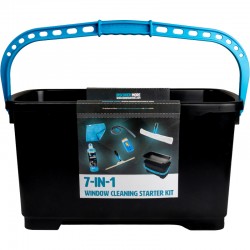
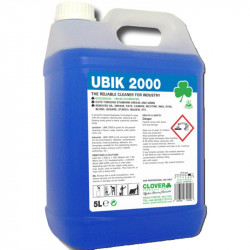
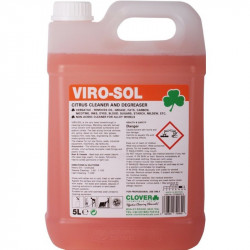
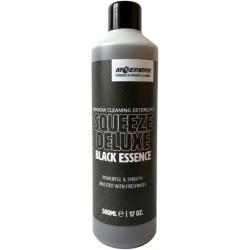
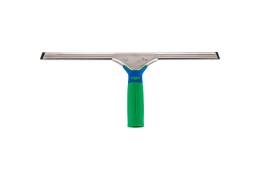
Get streak-free results every time with professional squeegees, replacement rubbers, channels, and accessories....


Window Cleaning Equipment & Tools - Cleaning Products



 Poles
up to 60ft
Poles
up to 60ft






















































When you clean windows using pure water and a water-fed pole system, the type of glass you’re working on makes a huge difference. Some panes behave beautifully and sheet the water away in seconds, while others cling to droplets, leave marks, and slow the whole job down. Understanding whether the glass is ordinary, hydrophilic or hydrophobic helps you choose the right technique, jets and additives for a streak-free finish every time.
Ordinary glass is the most common surface you’ll encounter on homes and commercial properties. Water doesn’t flow smoothly across it. Instead, it forms beads or spots because of surface tension, which is simply the natural force that makes water pull itself into droplets. These droplets slow rinsing and can leave drying marks if impurities remain on the glass.
To reduce spotting and improve the rinse, many window cleaners switch to fan jets. Fan jets spread the pure water evenly and push more dirt off the glass, which helps prevent marks as the window dries.
You can also make ordinary glass behave more like hydrophilic glass by adding a pure-water additive such as Vision 2. It reduces surface tension, improves sheeting and helps the water drain more cleanly for a faster, more predictable finish.
Hydrophilic glass is often considered the dream surface for water-fed pole work. On this type of glass, water spreads out smoothly instead of forming droplets. It runs off the pane in a single clean sheet, which removes dirt faster and leaves fewer drying marks. Many modern buildings and high-end windows use hydrophilic coatings to help keep glass cleaner for longer.
Even though hydrophilic glass sheets nicely on its own, you can improve it even further with pure-water additives. A product like Vision 2 enhances flow, boosts glide and makes rinsing even faster on large panes.
Hydrophobic glass – sometimes sold as “self-cleaning glass” – is the most challenging for water-fed window cleaners. Instead of allowing the water to sheet, hydrophobic coatings force it into tight droplets. These droplets cling stubbornly to the surface, exaggerate spotting and slow down the rinse. In practice, this means you need more time, more water and better technique to achieve a spotless finish.
Because hydrophobic glass amplifies surface tension, it often behaves worse than ordinary glass during pure-water cleaning. Many professionals rely on fan jets to flush away impurities and reduce the chance of marks as the droplets dry.
To counter the droplet effect even more, a pure-water additive like Vision 2 helps break down surface tension. Once added, the water behaves closer to the way it does on hydrophilic glass, giving you faster rinsing and a more reliable finish.
For most UK window cleaners:
Understanding the behaviour of each glass type helps you choose the right jets, additives and rinse method before you start, which saves time and reduces callbacks.
Whether the glass sheets water beautifully or clings to every droplet, you can achieve clean, spot-free results with the right setup. Fan jets improve rinsing on most surfaces, and additives such as Vision 2 help tame even the most stubborn hydrophobic glass. Once you understand how water behaves on different window types, every job becomes quicker, more predictable and more professional.
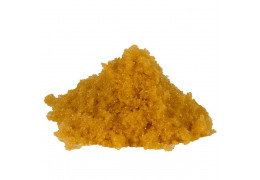
 What Is DI Resin? A Clear Guide for Window Cleaners
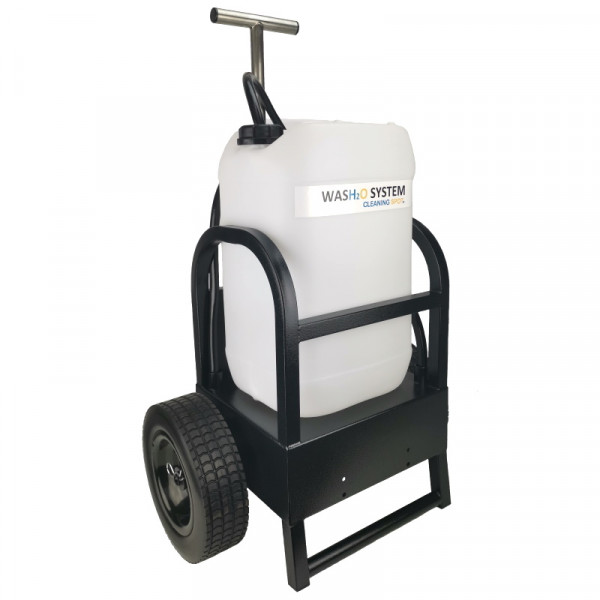
Batteries & Chargers for Water-Fed Pole & Window Cleaning Systems
Reverse Osmosis (RO) for Window Cleaning – Complete Guide for UK Pure Water Systems
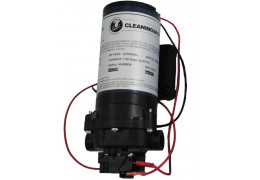
Window Cleaning Pump Troubleshooting Guide for Water-Fed Systems
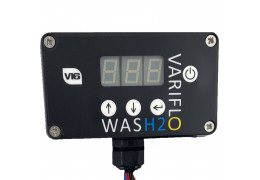
Pump Controller Problems Explained – Troubleshooting Guide for Water-Fed Pole Systems
What Is DI Resin? A Clear Guide for Window Cleaners
Batteries & Chargers for Water-Fed Pole & Window Cleaning Systems
Reverse Osmosis (RO) for Window Cleaning – Complete Guide for UK Pure Water Systems
Window Cleaning Pump Troubleshooting Guide for Water-Fed Systems
Pump Controller Problems Explained – Troubleshooting Guide for Water-Fed Pole Systems