WINDOW CLEANING
 WATER FED EQUIPMENT
 CARPET CLEANING
 WORKWEAR
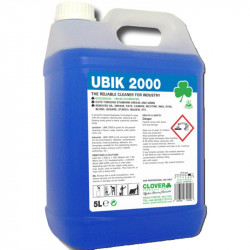
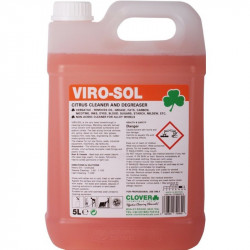
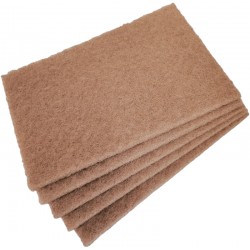
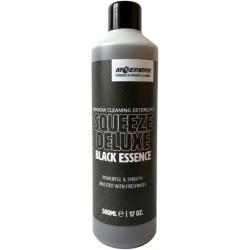
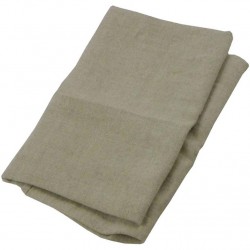
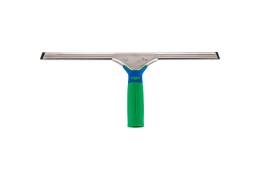
Get streak-free results every time with professional squeegees, replacement rubbers, channels, and accessories....


Window Cleaning Equipment & Tools - Cleaning Products

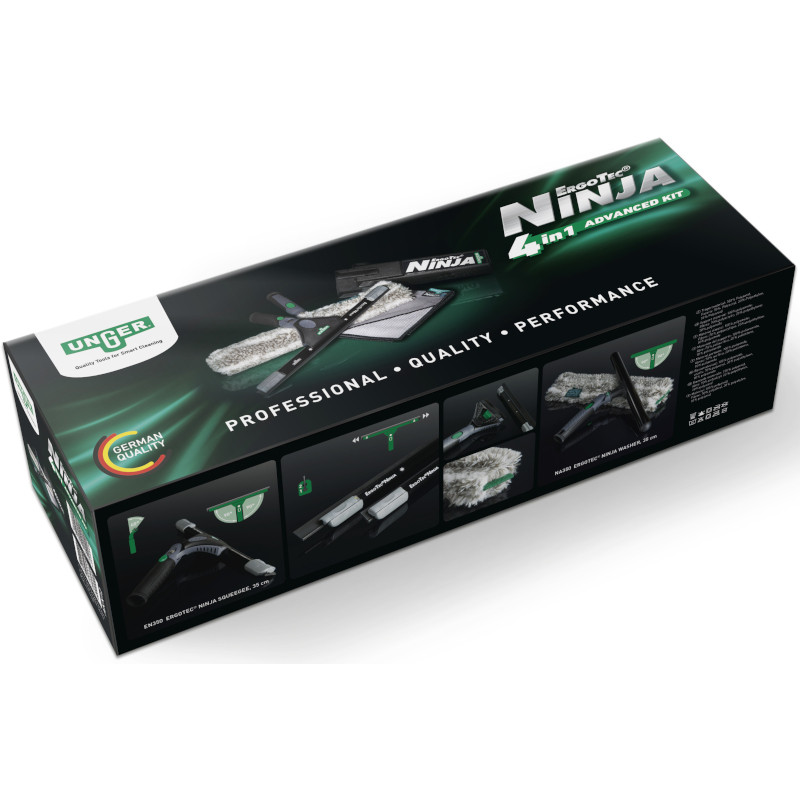


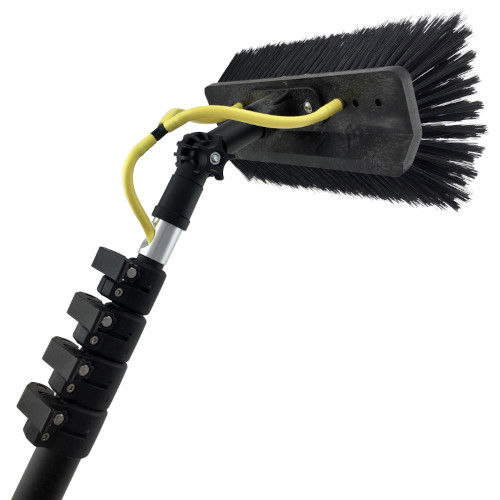

 Poles
up to 60ft
Poles
up to 60ft





























































Streaks can turn a quick window clean into a frustrating, time-consuming job. Whether you’re a professional window cleaner or a homeowner who wants spotless glass, knowing what causes streaks is the first step to eliminating them. Below are the most common reasons your squeegee leaves marks behind — and what you can do to get a clean, smear-free finish every time.
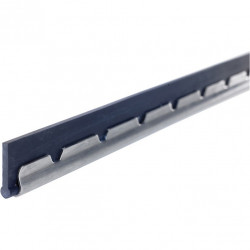
Your rubber blade is the heart of the squeegee. When it becomes nicked, rounded, swollen, or simply worn out, streaks are inevitable. Professionals often swap their rubber weekly — sometimes daily — depending on usage and weather.
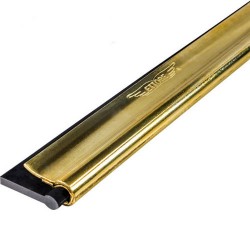
Upgrade your replacement rubbers here: Squeegee Rubbers
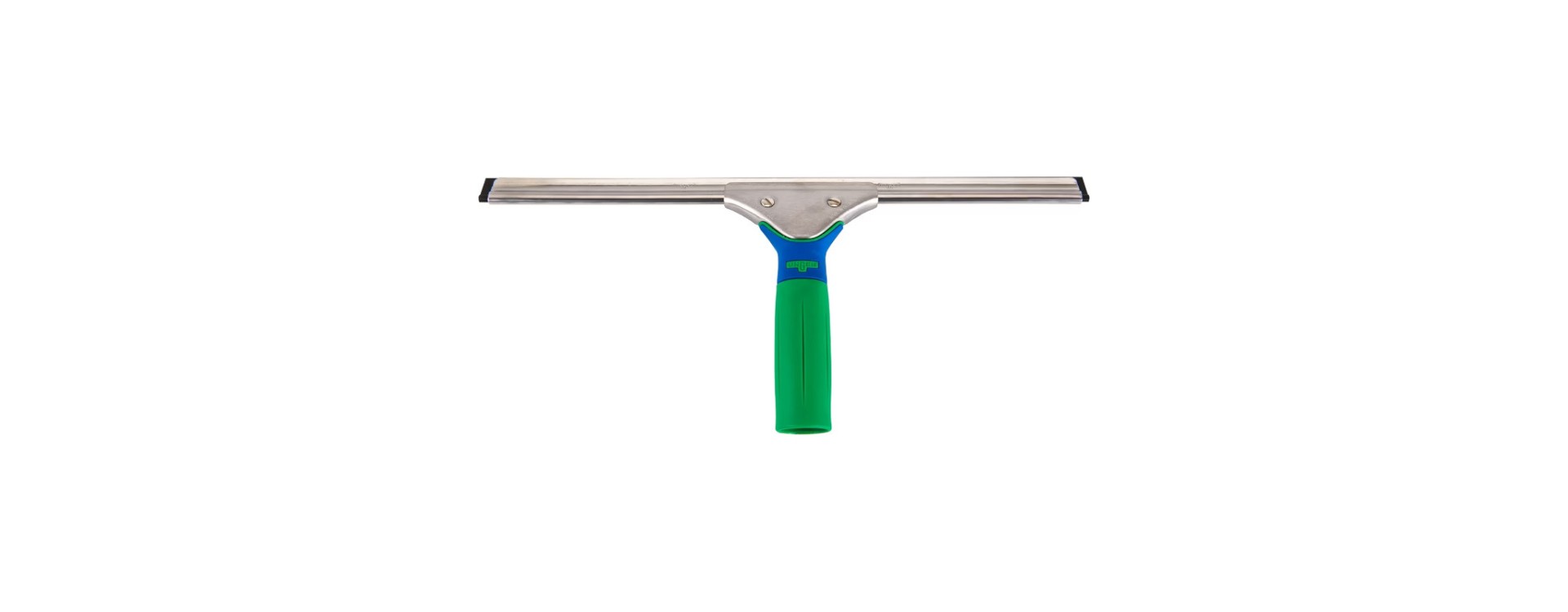
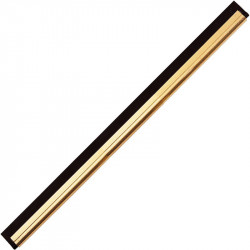
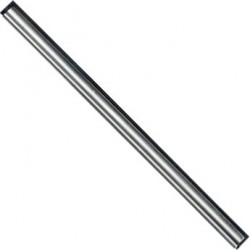
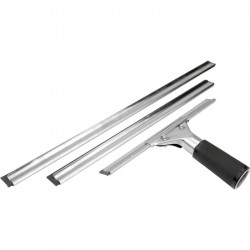
If the rubber isn't sitting straight in the channel, or the end clips aren’t holding it firmly, the edge won’t glide evenly across the glass. Even a tiny misalignment can create faint drag lines that show up as streaks once the glass dries.
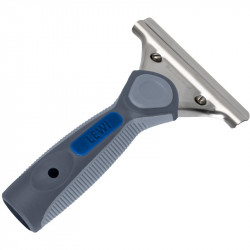
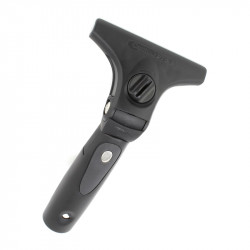
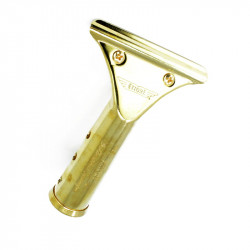
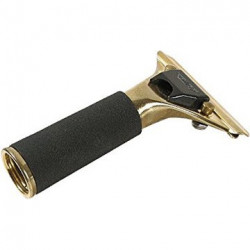
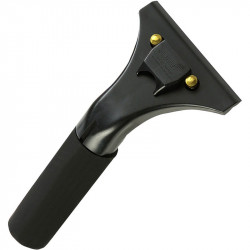
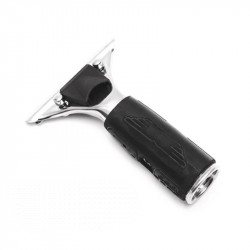
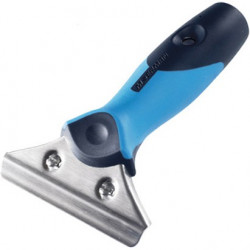
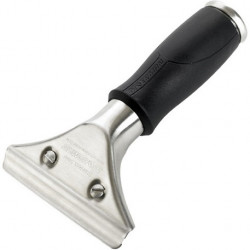
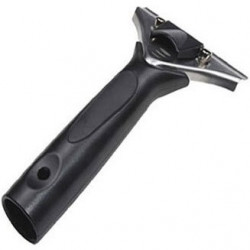
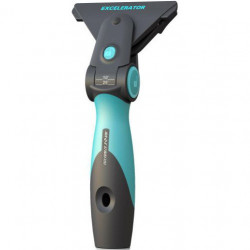
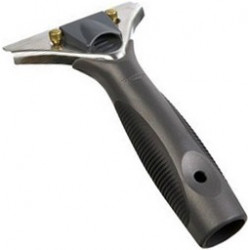
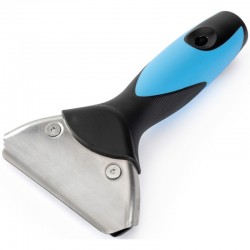
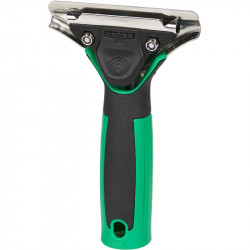
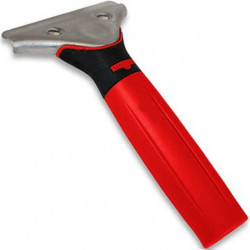
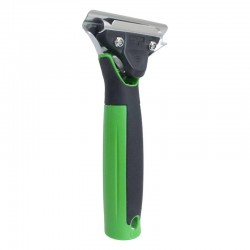
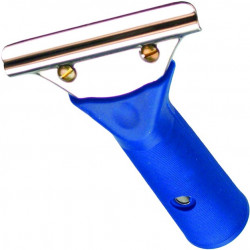
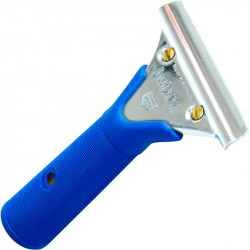
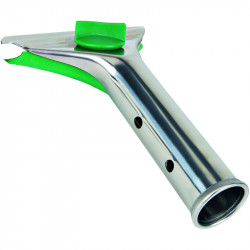
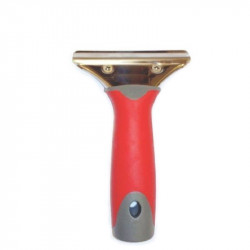
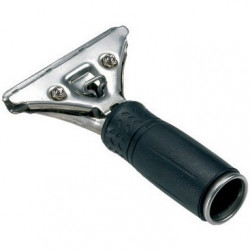
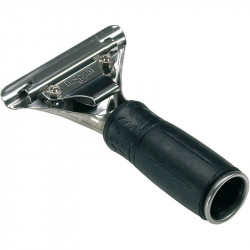
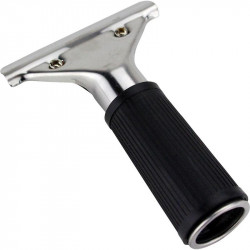
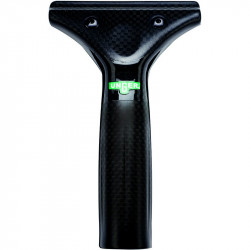
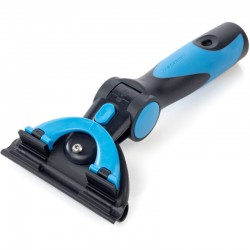
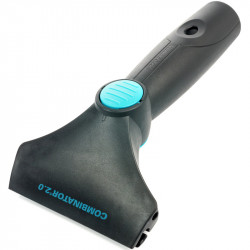
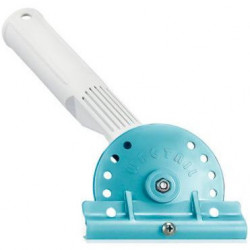
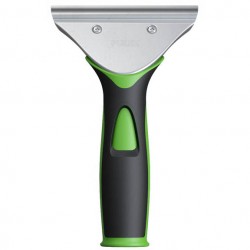
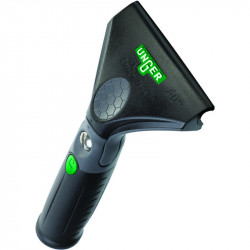
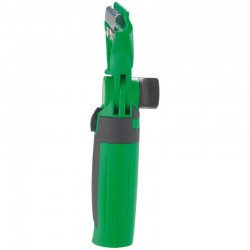
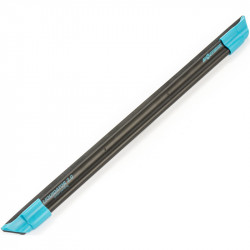
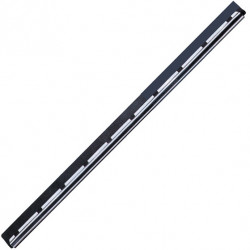
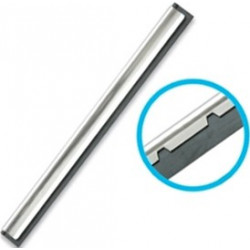
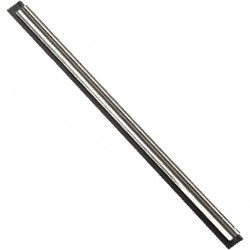
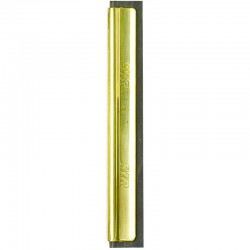
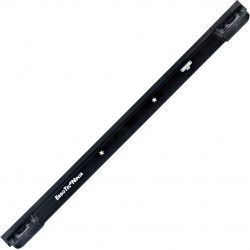
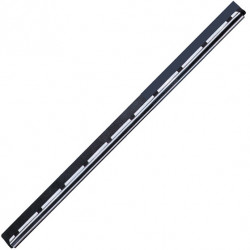
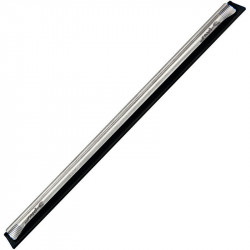
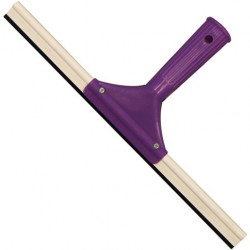
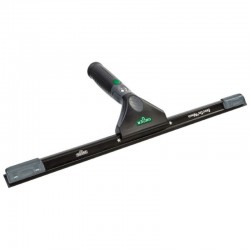
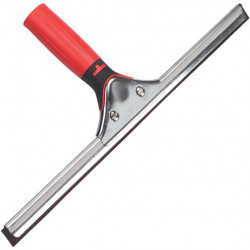
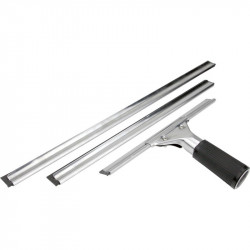
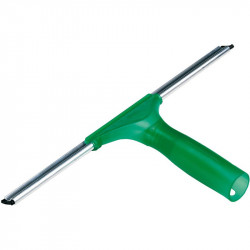
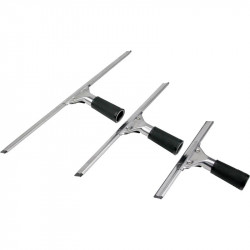
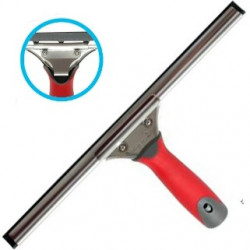
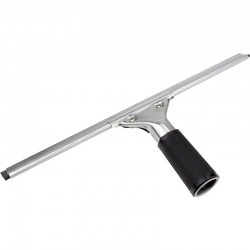
Find quality channels and handles: Squeegee Channels
Technique plays a huge role in streak-free results. Many beginners struggle with fanning because the angle changes constantly. Straight pulls are easier but require overlapping strokes to avoid water lines.
Common technique pitfalls include:
Mastering either method removes more water in fewer strokes — and prevents streaks before they happen.
When the glass has limescale spots or mineral build-up, no technique will save you — the squeegee will glide unevenly. Hard water is especially common around coastal areas and older properties.
A good pre-clean or pure water rinse can make a huge difference.
Too much detergent creates foam that leaves residue. Too little detergent reduces glide and increases friction, which leads to drag marks.
A typical professional mix often uses just a few drops per litre, depending on the product. Over-soaping is one of the most common causes of streaks for beginners.
Explore professional detergents: Window Cleaning Detergents
Bucket water picks up dirt quickly. If you’re using the same water for too long, that muck gets pushed across the glass, leaving dull smears behind.
Refreshing the bucket more often — and rinsing your applicator properly — helps prevent cloudy streaks.
Direct sunlight causes water to dry before you can squeegee it, leaving instant streaks. Cold weather can make rubber harder, affecting glide. Wind can blow dirt straight onto freshly cleaned glass.
Professional window cleaners often adapt their rubber hardness and technique depending on the season.
Wiping edges, frames, and corners with a dirty cloth undoes all your squeegee work. If your scrim or microfibre is damp, oily, or contains old detergent, you'll get ghost smears and marks.
Upgrade to quality cloths: Scrims & Microfibre Cloths
Bent channels or dirt lodged inside the channel can create uneven pressure across the glass. Even a slight bend produces a faint streak across every pass.
Check your channel regularly — replacing a cheap part can save hours of frustration.
Sometimes streaks have nothing to do with your tools. Hydrophobic coatings, silicone residue from builders, or previous use of household cleaners leave a film that reacts badly with your mix.
A deep pre-clean normally fixes this. Products designed for removing residue or restoring glass clarity help prevent recurring streaks.
Getting perfect windows every time comes down to a mix of good tools, correct technique, and keeping your equipment in top condition. Fresh rubbers, aligned channels, the right soap ratio, and clean cloths solve 90% of streaking problems.
Shop the essentials you need:
With the right setup, streak-free windows become the norm — not the exception.









 An Introduction To Traditional Window Cleaning