WINDOW CLEANING
 WATER FED EQUIPMENT
 CARPET CLEANING
 WORKWEAR
Get streak-free results every time with professional squeegees, replacement rubbers, channels, and accessories....

Window Cleaning Equipment & Tools - Cleaning Products



 Poles
up to 60ft
Poles
up to 60ft























































Traditional window cleaning remains one of the most effective ways to achieve a streak-free shine on glass. This method is trusted by professional window cleaners and DIY users because it offers precision, control and reliable results. If you want to understand traditional window cleaning, the tools required and how to use them, this guide covers the essentials.
The traditional window cleaning process uses a combination of soapy water, an applicator, a scraper and a squeegee to remove dirt and leave clean glass.
Apply cleaning solution using an applicator or washer sleeve.
Loosen and remove stubborn dirt with a scraper while the window remains wet.
Squeegee the water off in smooth, overlapping strokes for streak-free results.
Detail the edges, frames and sills with sill cloths, microfibre cloths or scrims.
Polish the glass to finish the traditional window cleaning method.
This method is perfect for shop fronts, interior glass, residential windows and anywhere you need accuracy and consistent performance.
Traditional window cleaning requires a good window cleaning soap or detergent designed to cut through grime and help the squeegee glide smoothly.
Professional window cleaning detergents prevent streaks and are gentle on the skin.
Many window cleaners add extra soap to increase glide, making the squeegee faster and easier to control.
Specialist formulas are available for PVC frames, tough stains and detailed traditional cleaning work.
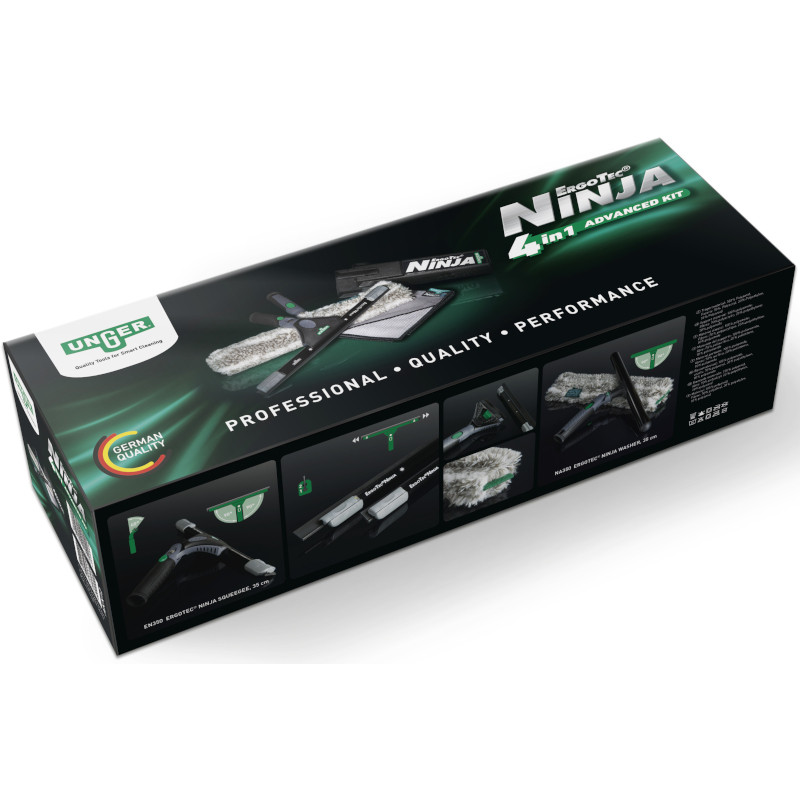
An applicator - also known as a washer - is a key tool in traditional window cleaning equipment. It consists of a T-bar and a removable sleeve that holds water and detergent. We do sell them also as complete ones here.
Standard Sleeves: Blended fibres, lightweight and easy to use.
Part-Microfibre Sleeves: Hold more water and improve dirt pickup.
Microfibre Sleeves: Highly absorbent and excellent for dirty glass.
Heavy-Duty Sleeves: Include abrasive fibres for scrubbing stubborn marks.
Standard T-Bars: Lightweight and affordable.
Ergonomic T-Bars: Extra grip for comfortable professional use.
Aluminium T-Bars: Rigid, durable and ideal for frequent cleaners.
Swivel T-Bars: Angle-adjustable for difficult corners or pole work.
A scraper is a specialised tool with a sharp metal blade designed to remove stubborn dirt and debris during traditional window cleaning. While the applicator and squeegee handle most cleaning tasks, the scraper is essential for tackling anything stuck firmly to the glass. Used correctly, a scraper prevents damage by removing contaminants before they interfere with the squeegee.
Scrapers are ideal for removing:
Paint splashes, plaster and silicone residue
Dried bird mess and insect marks
Sticky labels and adhesive residue
Tree sap and mineral spots
Baked-on dirt that cannot be removed with detergent alone
Mini / Pocket Scrapers
Compact design, usually with a retractable blade
Perfect for quick touch-ups or small stubborn marks
Easily stored in a pocket or pouch
4", 5" and 6" Scrapers
Larger T-bar style scrapers for fast, controlled scraping
Suitable for bigger panes of glass or heavier deposits
Often come with blade covers for safe storage
Long-Handled Scrapers
Provide extra reach and leverage
Helpful for shop fronts, tall windows or deep-set frames
Typically used for heavy-duty tasks and professional work
Always ensure the glass is wet before scraping. Scraping dry glass increases the risk of scratching, even with the best tools. Use clean, sharp blades and replace them regularly to avoid chipping or dragging.
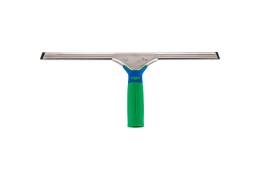
The squeegee is the core tool of traditional window cleaning. It removes dirty water from the glass, leaving a clean, streak-free finish. A good squeegee improves speed, precision and overall quality, which is why professionals often invest in high-quality handles, channels and rubbers. We do sell complete ones here.
Ergonomic Handles
Designed for comfort during long cleaning sessions
Made from a mix of rubber and plastic for a secure grip
Stainless Steel Handles
Durable and rigid
Must be used with stainless steel channels
Brass Handles
Classic, heavy-duty feel
Only compatible with brass channels
Swivel Handles
Rotate and lock at different angles
Excellent for pole work and awkward corners
Advanced Pivoting Handles (Wagtail, Moerman Excelerator)
Designed for high-speed window cleaning
Offer superior manoeuvrability
Ideal for experienced cleaners using advanced techniques
Super System Handles
Heavy-duty handles for oversized channels
Used for cleaning large panes, commercial façades or atriums
Aluminium Notched Channels
Lightweight and easy to handle
Require handles with teeth or brass clips
Stainless Steel Notched Channels
Strong and long-lasting
Designed for quick-release handles
Do not require clips
Stainless Steel Un-notched Channels
Smooth edges for flexible rubber placement
Require brass end clips to hold the rubber
Brass Channels
Traditional, heavy and extremely durable
Compatible only with brass handles
Super System Channels
Chunkier channels for very large squeegees (up to 1m)
Ideal for high-volume commercial window cleaning
Soft Rubbers
Best for colder weather
Flex easily and maintain edge contact on the glass
Hard Rubbers
Perform well in warm weather
More durable and stable on hot glass
Premium Rubbers (e.g., Spotless Blades)
Balanced firmness suitable for all seasons
Long-lasting and made from high-quality compounds
Often preferred by professionals for consistency
Cloths are essential for detailing, drying and polishing during traditional window cleaning. Each type has its own purpose and performs differently depending on the finish you want.
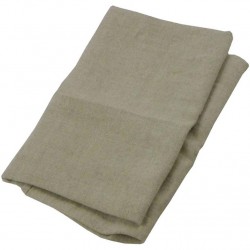
Scrims are traditional window-cleaning cloths made from high-quality linen. They are well-known for their durability, absorbency and ability to polish glass to a professional shine.
Key features of linen scrims:
Made from pure linen, which becomes more absorbent the more it is washed
Excellent for detail wiping, edge drying and polishing
Very long-lasting when properly maintained
Need "breaking in" - usually several washes before optimal use
May release slight lint when old, worn or not washed correctly
Scrims are particularly popular among traditional cleaners because linen fibres naturally tighten and soften with repeated use, improving their performance over time.
Microfibre cloths are now extremely popular due to their absorbency and lint-free finish.
Smooth microfibre: Best for final polishing
Textured microfibre: Best for general wiping and detailing
Care Tip:
Avoid bleach or fabric softener when washing microfibre - it damages the fibres and reduces absorbency.
A chamois leather is another traditional polishing cloth used by professional window cleaners. Made from natural or synthetic leather, the chamois is prized for its softness and ability to leave a spotless finish.
Why window cleaners use chamois:
Exceptionally soft and gentle on glass
Leaves a smooth, smear-free polished finish
Absorbs water quickly without leaving fibres behind
Works well for final detailing, especially on interior glass
Ideal for automotive glass and mirrors too
Care Tip:Always keep a chamois slightly damp when polishing - a fully dry chamois can drag or stick on the glass. After use, rinse with clean water and allow it to dry naturally (never on a radiator).
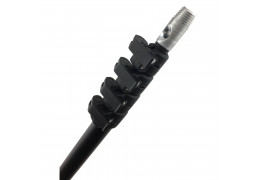
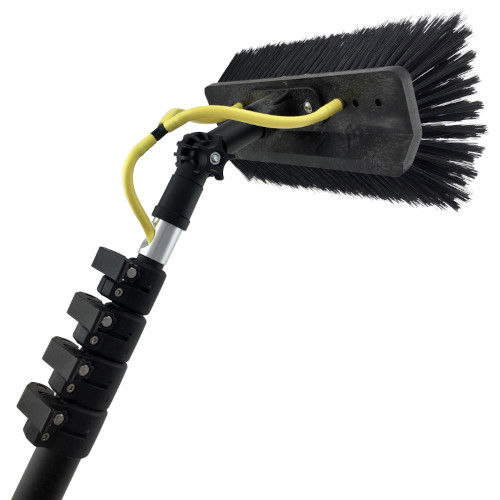
A telescopic pole allows you to perform traditional window cleaning at height without ladders, making the job safer and more efficient.
Clean high windows from the ground
Reach over obstacles like signs, shop displays or conservatory roofs
Maintain precise control when paired with swivel squeegee handles
Most tool brands design poles to match their own handles, T-bars and attachments. Using the same brand ensures:
Secure fit
Smooth operation
Reliable locking mechanisms
Poles come in a range of lengths and materials, including aluminium and lightweight carbon fibre, ideal for frequent professional use.