Get streak-free results every time with professional squeegees, replacement rubbers, channels, and accessories....

-
MenuBack
-
SECTIONS
-
-
-
-
SCRIMS & CLOTHES
-
-
-
Specials
-
-
-
WIDEST SELECTION - BEST BRANDS - BEST PRICESFREE NEXT DAY DELIVERY
OVER £70+VAT (UK Mainlands) -
-
-
-
-
-
-
HOSE ACCESSORIES
-
-
-
WATER FED POLES
-
-
-
RESIN & FILTERS
-
-
-
-
-
-
-
-
-
-
-
-
-
- Home
- Resin Hot
-
Poles
up to 60ft

-
BRANDS
-
- PRODUCTS Featured
- CLEARANCE Sale
-
IN LONDON
-
-
WHERE TO FIND US
-
WE SELL PURE WATERCall us on 0203 384 1428
-
-
-
TRADE COUNTER IN LONDON
-
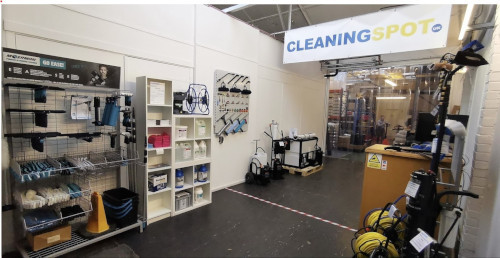
Come on visit our trade counter in South Wimbledon for your parts, repairs,, custom made installation and van mounted systems
-
-
-
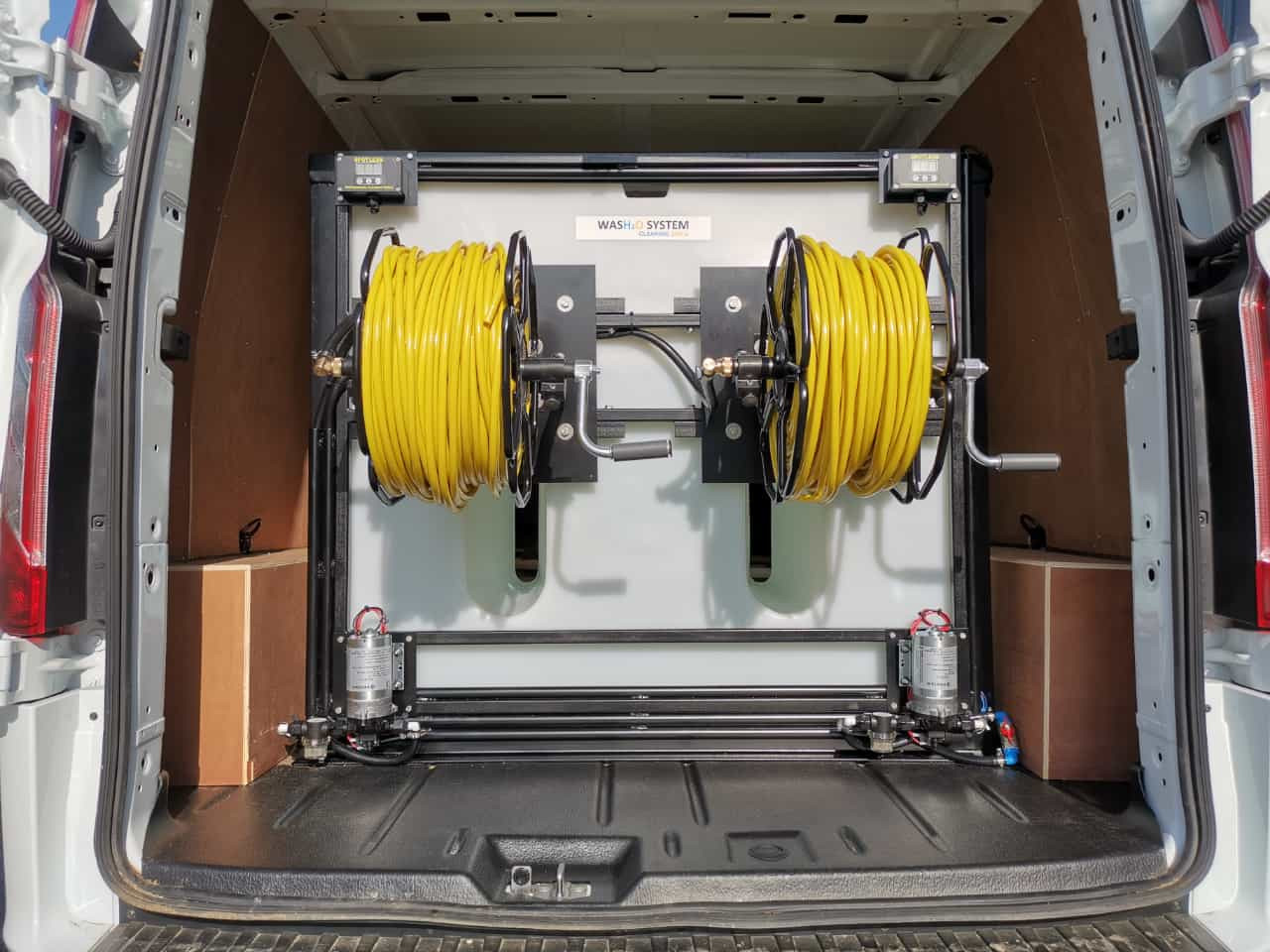
VAN MOUNTED SYSTEMS
-
-
Reverse Osmosis (RO) for Window Cleaning – Complete Guide for UK Pure Water Systems
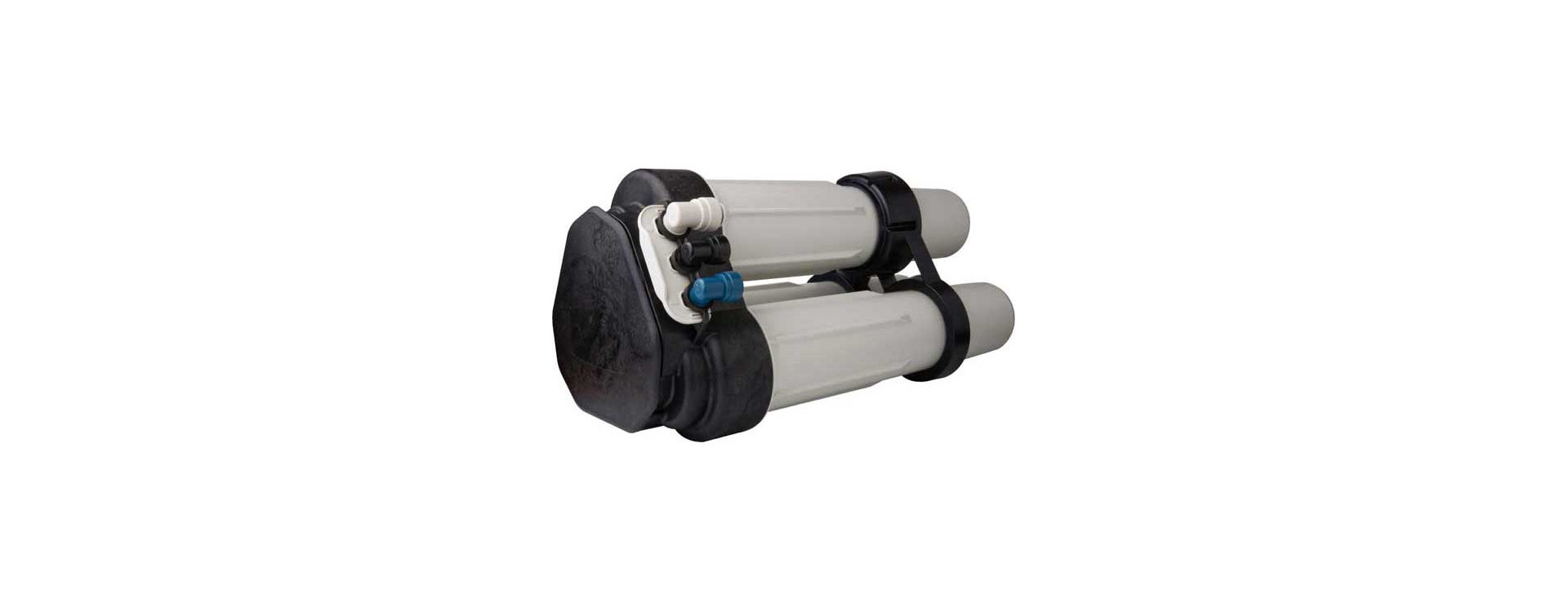
Reverse Osmosis (RO) is at the heart of most pure-water window cleaning systems across the UK. It removes the majority of dissolved minerals from tap water before the final DI stage, helping window cleaners produce large volumes of pure water at a much lower running cost. If you work in a medium or hard-water area, an RO system can dramatically reduce resin usage, improve efficiency, and keep your TDS readings consistently low. This guide explains how RO works, what you need for good production, and how to avoid common performance issues.
Q: "What does a Reverse Osmosis System do?"
Q: "Do I need a Reverse Osmosis System?"
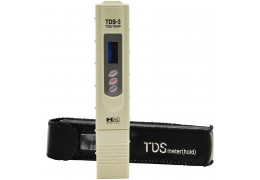
Reverse Osmosis (RO) plays a huge role in creating pure water for water-fed pole window cleaning. It removes the majority of dissolved solids before the water reaches the DI resin, which is the most expensive consumable in any pure-water system. By reducing the TDS (Total Dissolved Solids), an RO unit helps your DI resin last much longer, which cuts your running costs significantly. RO does not produce completely pure water on its own – the DI resin always finishes the job – but in most parts of the UK it’s the only cost-effective way to produce enough pure water for daily professional window cleaning.
- If your local tap water is extremely soft and already close to pure, RO may offer little benefit. In these areas, running DI-only can sometimes be more efficient.

- However, in most UK regions the water contains high levels of minerals. Without RO you would burn through resin very quickly, making DI-only production far more expensive.

Q: "What is the pH of RO water?"
- RO water normally sits between pH 5 and pH 6. This makes it slightly acidic – between 10 and 100 times more acidic than standard tap water – but still very mild and safe for general window cleaning use. You won't notice any practical difference during cleaning.
Q: "What requirements do I need for my RO to run well?"
RO systems work best when the water entering them meets a few simple conditions. Meeting these requirements ensures fast production, longer membrane life and stable TDS readings.
- There are 3 basic things:
- Good water pressure – Ideally 40psi (2.8 bar) or above. Higher pressure helps force water through the membrane more efficiently.
- Good water temperature – Cold winter water slows production noticeably, but normal household temperatures are more than adequate.
- Good water flow rate – The exact minimum varies depending on your RO system and membrane size.
If these three conditions are right, a well-built and well-maintained RO will run smoothly for years. Issues can still appear, but most are simple to diagnose once you understand how the system works.
Q: "Will my Reverse Osmosis system be damaged by the cold?"
- Yes, freezing water expands and this can split filter housings or crush the cartridges inside them.
- RO membranes are extremely sensitive to frost damage. Even a single freeze can destroy a membrane permanently. Always protect your system from freezing conditions.
Q: "My system doesn't filter like it used to before I changed the filters"
- RO membranes are precision components. Even small manufacturing differences can affect how a new membrane performs compared to your old one. Some new membranes filter better, others slightly worse, but all reputable membranes operate within the manufacturer’s tolerances. As long as your DI resin finishes the process, you will still produce pure water suitable for professional window cleaning.
Q: "I changed the pre-filters and there are still marks on windows after cleaning"
Q: "I changed the membranes and now there are marks on windows after cleaning"
- Pre-filters and RO membranes remove the bulk of impurities, but the DI resin performs the final purification. If your finished water is leaving marks, the DI resin is usually the cause – it may be exhausted or contaminated.
- For more information on DI resin click here.
- Also check your storage tank. Even pure water can pick up contamination if stored in an unclean container or if the lid is left open.
Q: "Why does my system waste so much water?"
- All RO systems waste water as part of the filtration process. Around 60% waste water is normal and healthy. This flush water protects the membrane by carrying away the concentrated impurities.
Q: "What are the water readings my system should make?"
- The exact readings depend on your tap water quality, pressure, temperature and the points listed above. Under good conditions, a properly functioning RO typically removes 75% to 95% of dissolved solids before the water reaches the DI resin. The resin then finishes the job and brings the TDS to zero.
A reliable RO system is one of the best long-term investments for anyone producing pure water for window cleaning. It reduces your DI resin costs, helps maintain stable TDS readings, and keeps your system running efficiently throughout the year. As long as your RO receives good pressure, a steady flow, and the right maintenance, it will continue to produce clean, consistent water for years. If you're unsure which RO system suits your area, or you want advice on membranes, housings, pumps or DI resin, our team at Cleaning Spot is always here to help.
Related products
Related posts
What Is DI Resin? A Clear Guide for Window Cleaners
Batteries & Chargers for Water-Fed Pole & Window Cleaning Systems
Window Cleaning Pump Troubleshooting Guide for Water-Fed Systems
Pump Controller Problems Explained – Troubleshooting Guide for Water-Fed Pole Systems
Cold Weather Window Cleaning: Essential Winter Tips for Water-Fed Pole Users
Subscribe to our Newsletter
Sign up today for exclusive offers. No spam, never. Subscribe our newsletter today!