Get streak-free results every time with professional squeegees, replacement rubbers, channels, and accessories....

-
MenuBack
-
SECTIONS
-
-
-
-
SCRIMS & CLOTHES
-
-
-
Specials
-
-
-
WIDEST SELECTION - BEST BRANDS - BEST PRICESFREE NEXT DAY DELIVERY
OVER £70+VAT (UK Mainlands) -
-
-
-
-
-
-
HOSE ACCESSORIES
-
-
-
WATER FED POLES
-
-
-
RESIN & FILTERS
-
-
-
-
-
-
-
-
-
-
-
-
-
- Home
- Resin Hot
-
Poles
up to 60ft

-
BRANDS
-
- PRODUCTS Featured
- CLEARANCE Sale
-
IN LONDON
-
-
WHERE TO FIND US
-
WE SELL PURE WATERCall us on 0203 384 1428
-
-
-
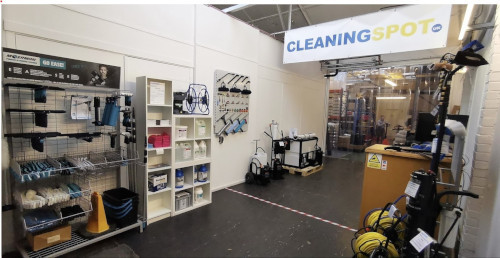
TRADE COUNTER IN LONDON
-
Come on visit our trade counter in South Wimbledon for your parts, repairs,, custom made installation and van mounted systems

-
-
-
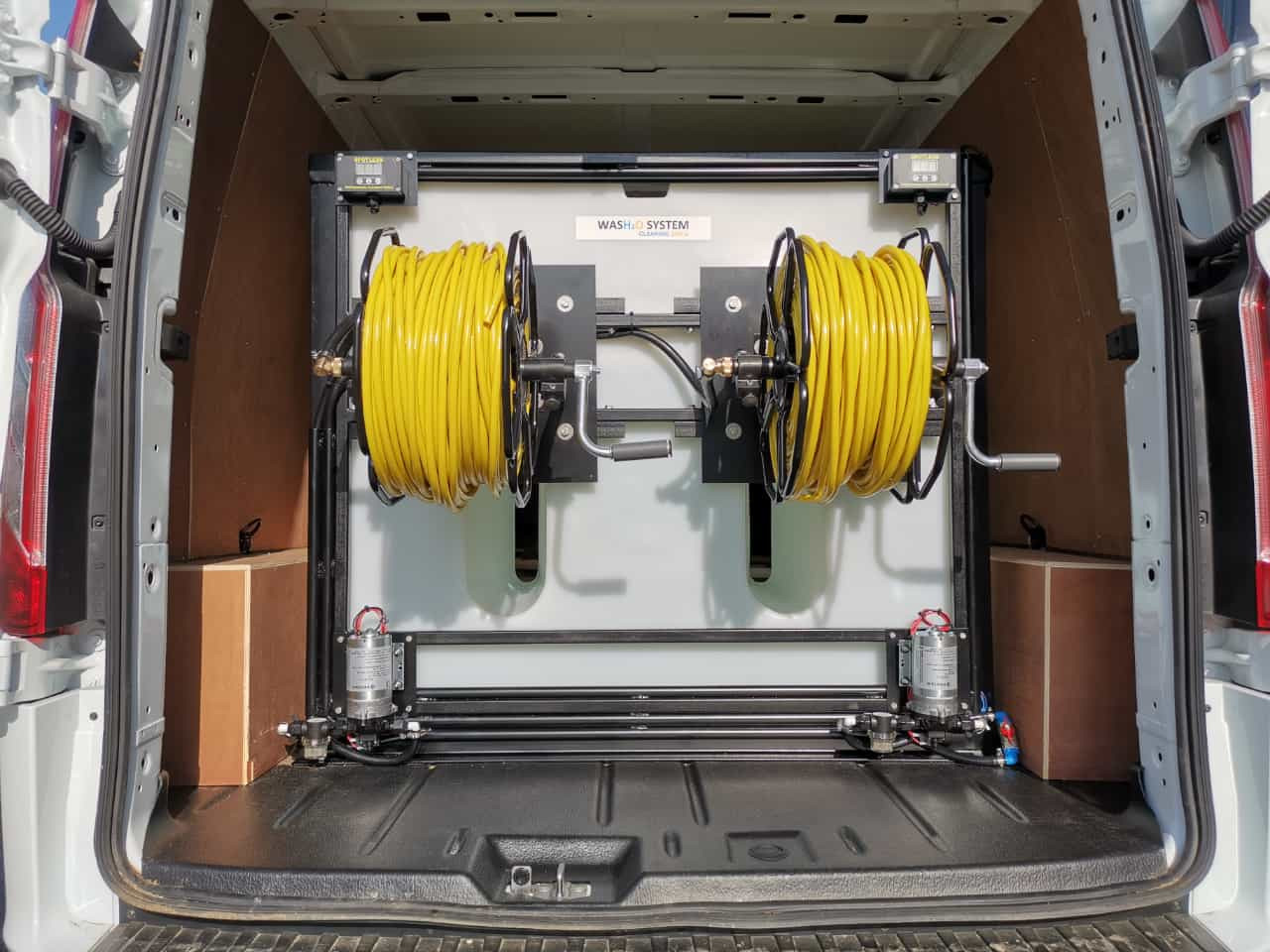
VAN MOUNTED SYSTEMS
-
-
Cold Weather Window Cleaning: Essential Winter Tips for Water-Fed Pole Users
As temperatures drop, water-fed pole window cleaners face a range of challenges—from frozen hoses to sluggish pumps and brittle fittings. Cold weather affects how your system performs and can even create safety risks on the ground. Below is a clear, practical guide to help keep your setup flowing freely and to keep you working safely throughout winter.
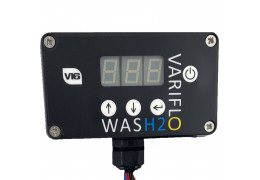
Pump Controllers
- When water gets colder, it becomes denser. Your pump needs more energy to move it through hoses and up the pole. This extra resistance often causes calibration issues that were never noticeable in summer.
- As temperatures fall, you may see pumps pulsing, under-delivering water, or shutting down unexpectedly. These symptoms usually mean your controller needs a simple recalibration.
- For step-by-step help, open the Controllers page where we explain how to correctly set flow, pressure thresholds, and dead-end detection for winter conditions.
Batteries
- Cold temperatures affect batteries more than most cleaners realise. For example:
- Charging slows dramatically in cold weather.
- Capacity (amp hours) drops as temperatures fall, even though voltage remains the same.
- Your system draws more current in cold water conditions, draining batteries faster.
- This combination can leave you short of power halfway through the day.
- To avoid downtime, charge your battery more frequently during winter, and avoid letting it run too low.
- If you plan to leave a battery unused for a long period, connect it to an intelligent charger. This maintains the battery safely and helps extend its overall lifespan.
Hoses
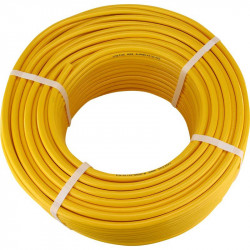
- Most water-fed pole hoses are thermoplastic. They soften in heat and become stiff during winter. In cold weather, hoses coil tightly, won’t lie flat, and are awkward to handle on drives and pavements.
- Because hose flexibility changes in winter, your controller may need a higher calibration to maintain stable water flow.
- If you use hot water systems, be aware that hoses soften even more when heated. Even high-temperature hoses become vulnerable if they get too hot, so avoid dragging them around sharp edges or rough ground.
Freezing / Splitting
- Pure water freezes faster than tap water because it has no minerals. Freezing can occur in tanks, filter housings, RO units and even on the ground before you notice.
- As water freezes it expands, and trapped expansion damages components. The following items are common victims of winter splitting:
- Hose reel inlet manifolds
- Filter Housings such as:
- Sediment & carbon prefilter housings
- RO membrane housings
- DI resin canisters (the shell rarely splits, but riser tubes, screens and heads often do)
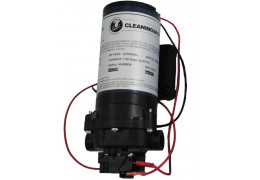
- Window cleaning pumps. Not every frozen pump suffers damage, but frost can crack internal fittings or deform valves.
- Suction hose, which becomes extremely brittle once internal water freezes.
Hot Water Systems
- Hot water systems are one of the most reliable ways to avoid freezing issues. Keeping water warm stops it solidifying in tanks, pumps and hoses.
- Some systems can automatically circulate warm water back into the tank when temperatures drop. This protects vital components from ice damage. Get in touch through Live Chat or our Contact Form for configuration advice.
- However, be aware that water that was hot and then cools down can freeze more solidly than normal ground water. This can leave patches of ice behind when you move on to the next property.
Water on the floor
- One of the biggest winter hazards is water freezing on the ground after you leave. You can’t avoid overspray completely, but you can make the area safer:
- Use safety signs and highlight the risk of ice around your work area.
- Spread grit salt before you start. This reduces the chance of puddles turning to ice.
- If the temperature is too low and ice is unavoidable, consider postponing the job until conditions improve.
- As mentioned above, cooled hot water often freezes harder than normal water.
RO Systems
- Reverse osmosis systems work less efficiently in cold weather because the water is denser. You may experience:
- Reduced pure water output
- Slower filtration rates
- Increased waste water
- Risk of permanent membrane damage if the system freezes
- If possible, keep your RO system somewhere insulated or run production during slightly warmer parts of the day.
Protecta-Kote
- Protecta-Kote floor coating dries slowly at any time of year, but winter extends the curing time dramatically.
- To speed up drying, mix in an accelerator (for non-UVR Protecta-Kote only). Blend thoroughly for best results. This greatly reduces waiting time and helps you finish winter van flooring or tank-bay painting jobs far quicker.
Conclusion
Cold weather window cleaning brings extra challenges, but with the right preparation you can keep your water-fed system running smoothly and protect your equipment from costly winter damage. Understanding how cold temperatures affect pumps, hoses, batteries, RO membranes and pipework helps you stay productive, avoid breakdowns, and work safely on icy grounds. Whether you rely on hot water systems, winter-safe calibration settings, or simply better planning, these tips will keep you out working when many cleaners stay at home. Stay warm, stay safe, and look after your equipment — it will reward you with reliable performance all winter long.

Related posts
What Is DI Resin? A Clear Guide for Window Cleaners
Batteries & Chargers for Water-Fed Pole & Window Cleaning Systems
Reverse Osmosis (RO) for Window Cleaning – Complete Guide for UK Pure Water Systems
Window Cleaning Pump Troubleshooting Guide for Water-Fed Systems
Pump Controller Problems Explained – Troubleshooting Guide for Water-Fed Pole Systems

Subscribe to our Newsletter
Sign up today for exclusive offers. No spam, never. Subscribe our newsletter today!